
When You Can't Just Rock in the CornerLink to section
I learned to mask before I knew what masking was. Farm work, landscaping, sitting in the truck with the guys after a long day — you learn real fast that some kinds of movement get you laughed at and some get you respect. So you figure out the quiet ones. The ones that look like leaning. Like cracking your knuckles. Like adjusting your hat for the third time in five minutes when really you just need your hands to do something.
The world wasn't built for people like us. Offices, classrooms, family dinners, waiting rooms — they all expect you to sit still, make eye contact, and keep your hands quiet. But your nervous system didn't get that memo. You need input. You need movement. And sometimes you need it right now, in a room full of people who wouldn't understand.
This guide is about getting what your body needs without having to explain yourself. No corporate jargon, no clinical lectures — just practical, honest strategies for regulating when the world won't let you.
The Energy Cost of Holding StillLink to section
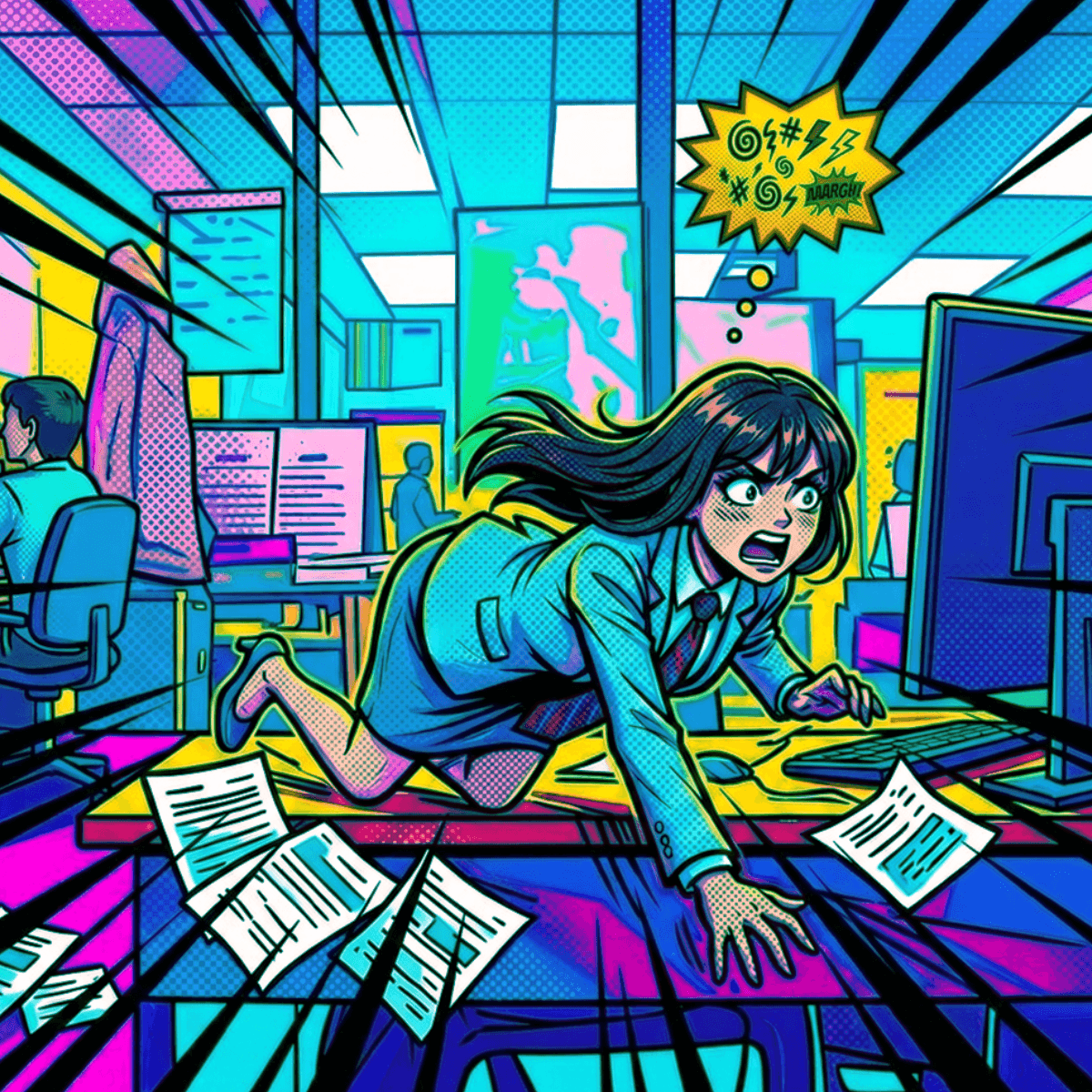
Every minute you spend forcing your body to be still costs you. I think of it like "Energy Coins." You start the day with 100 coins. Sitting still in a meeting costs 1 coin per minute. By 10:40 AM you're bankrupt. That 2 PM crash? That's not weakness — that's math.
The goal isn't to stop needing regulation. The goal is to get the input you need without anyone making it weird. That's what I call stealth stimming — giving your nervous system what it's asking for, just quietly enough that the room stays comfortable for everyone, including you.
Tools That Don't Look Like ToolsLink to section
Here's what I've learned after years of needing to regulate in places I couldn't leave: the best tools are the ones nobody questions. They need to be quiet, fit in your pocket, and not look like anything worth explaining.
A smooth stone you can rub with your thumb. A keychain with texture. A ring that spins. These pass the "dentist waiting room" test — nobody gives them a second glance, but they give your hands something real to do while your brain catches up.
The point isn't to hide who you are. It's to give yourself what you need without having to perform "the explanation" for the tenth time this week. You deserve regulation and you deserve to keep your energy for things that matter more than educating strangers.
Tactile Hunger: Why Soft Isn't Always the AnswerLink to section
Most calming advice tells you to find something soft. A blanket. A plushie. A cozy sweater. And if that works for you, great — genuinely, use it. But for a lot of us, soft isn't what we need. Soft can actually make things worse.
Tactile hunger is that physical craving for friction, pressure, texture — something your hands can really feel. Think of it like data. Soft things are "low data." Your nervous system barely registers them. Gritty, resistant, textured things are "high data" — they give your brain the sensory information it needs to map where your body ends and the world begins.
When I'm overwhelmed, a fuzzy blanket does nothing for me. But something I can squeeze hard, something with resistance? That tells my brain: you are here, in this body, in this moment, and you're safe.
What Actually Works: High-Input Sensory Tools
Not standard slime. The kind packed with sand or beads — something that fights back a little when you squeeze it. That resistance sends proprioceptive signals to your brain, basically saying "here's exactly where your hands are — you're grounded, you're real, you're okay."
Other things that work: textured keychains, rope or cord you can twist, putty with grit in it, even a hair tie wrapped around your fingers. The common thread is resistance — something your muscles have to engage with. That's what tells your nervous system to settle down.
The Vagus Nerve: Your Body's Built-In Reset ButtonLink to section
Here's something I wish someone had told me years ago: that thing babies do with pacifiers? That's not just for babies. The sucking reflex is hardwired into your nervous system, and it doesn't switch off when you turn 18.
How Oral Stimulation Calms You Down
When you suck or chew rhythmically, it stimulates the Vagus Nerve in the roof of your mouth. This nerve runs all the way down to your gut and controls your heart rate, breathing, and that "calm down" switch. Stimulating it manually is like sending a direct signal to your body: stand down — we're safe.
This is why people chew gum when they're nervous. It's why some of us chew pen caps or bite our nails. Your body knows what it needs — it's just been reaching for things that might not serve you well.
The Silent Fidget Pad
This is the tool I keep in my pocket every day. It's a 4"×4" crocheted pad threaded with pony beads — you roll it smoothly between both palms, or fold it over and work the beads against each other. It makes this satisfying little clicky sound when the beads roll together, like quiet rain on a windowsill. Soothing rather than disruptive. Nobody needs to know what it is.
- > Subtle clicky sound — satisfying, not distracting
- > Rolls between palms or folds for different textures
- > Small enough for any pocket — 4"×4"
- > Available in multiple colors + keychain options
Frequently Asked Questions
Your nervous system isn't broken. It just needs different tools than the world hands out by default. — Alex